Loading the page. Nothing has gone wrong.
Why Harbor
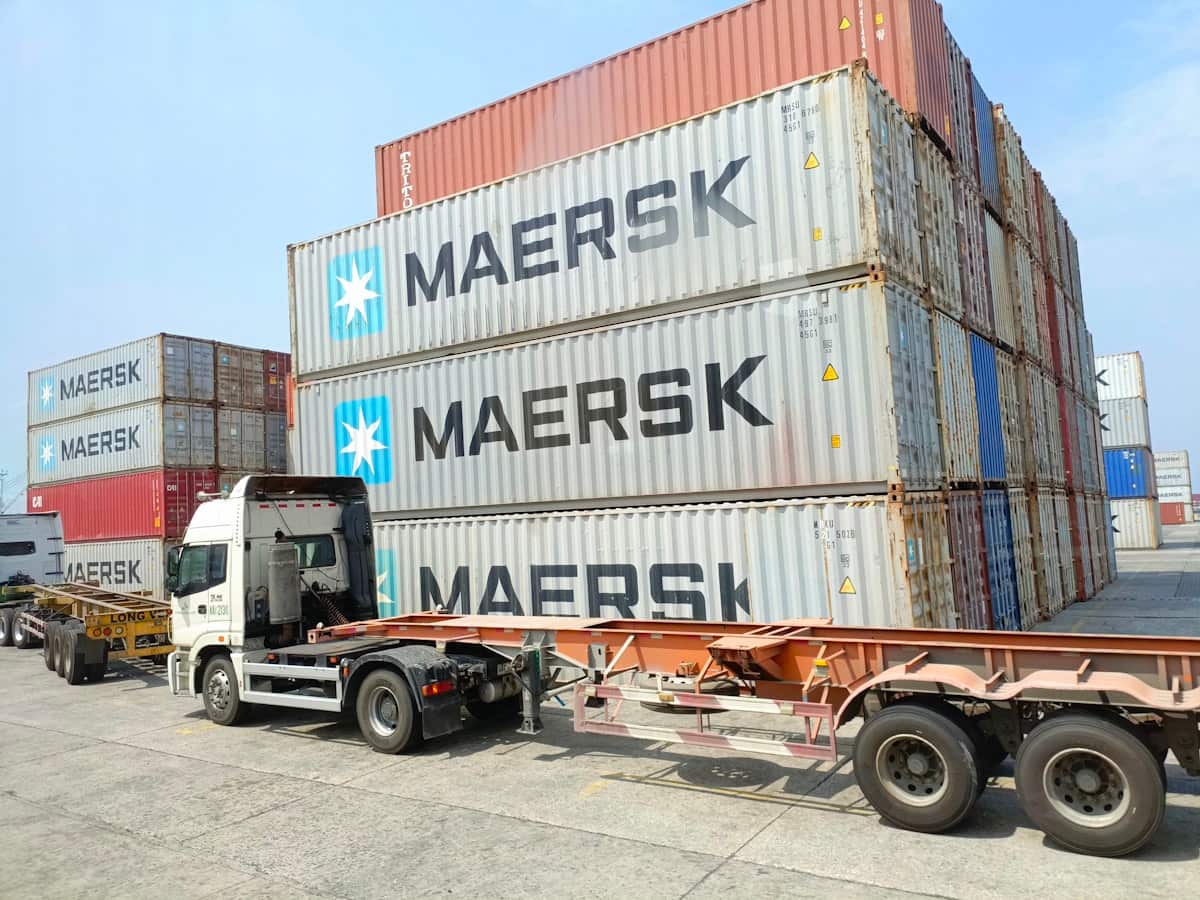
A truck moves. A box waits.
A general TMS is built around an asset that moves and is then free again. Every awkward thing about drayage happens while a container sits still, on somebody else’s ground, accruing charges to a clock you do not control.
9
Things a box does that a truck does not
Each one is a field, a clock or a gate in this software, and a note in a general TMS.
The last free day, per diem, the chassis, the empty return, the advance to the steamship line. None of them are things a truck does.
The difference
Not a criticism. A description.
A general TMS can be made to record all of it. What it cannot easily do is act on it — raise the exception, block the dispatch, put the rebill on the invoice — because those behaviours were not what it was shaped around.
Versus a general TMS
Nine things a box does.
Written as categories, not companies. Some general systems handle several of these well.
What drayage needs, how a general TMS typically handles it, and how Harbor TMS does
Last free day
Typically, in a general TMS
A date field, if there is one — typed off the arrival notice and rarely looked at again.In Harbor TMS
A clock. Approaching raises a warning, passing raises a hard exception, and the demurrage watch lists every box on it with a one-click rebill.Demurrage and per diem
Typically, in a general TMS
A generic accessorial line, raised if somebody remembers to raise it.In Harbor TMS
Charge types of their own, tied to the container and the days, billable to whichever party actually caused the delay.Advances to the line or customs
Typically, in a general TMS
No concept of the brokerage fronting money. It becomes a spreadsheet and a bank statement nobody reconciles.In Harbor TMS
A ledger with an expected amount and proof of receipt. The reference is unique system-wide, and the load will not advance until principal and fee are in full.Empty return
Typically, in a general TMS
The job ends at delivery. The empty becomes somebody’s problem afterwards.In Harbor TMS
A milestone of its own. An outstanding empty raises an exception, because per diem runs until the box is back.Chassis, storage, top chain, dunnage
Typically, in a general TMS
One “accessorial” field, keyed onto the invoice by hand at billing time.In Harbor TMS
Thirteen charge types across five bill-to parties, captured on the load. The invoice builder reads them directly — a charge that exists is billed.The container number
Typically, in a general TMS
A reference field, often not indexed, rarely searchable the way staff actually type it.In Harbor TMS
Normalised on write and searchable however it was typed. Container lookup is the drayage desk’s default, not a filter buried in a grid.Arrival notices
Typically, in a general TMS
Not a document type. It arrives by email and gets re-keyed by whoever opens it.In Harbor TMS
An intake: read the notice, pull the containers, create one load or forty against one booking reference.Carrier authority
Typically, in a general TMS
A field somebody fills in. Nothing refuses to print when it is empty.In Harbor TMS
A gate. Without MC, DOT, insurance, W9 and a reviewer’s written sign-off, the dispatch sheet does not generate at all.Port, rail and cross-dock stops
Typically, in a general TMS
Pickup and delivery, with everything else recorded as a note.In Harbor TMS
Seven stop types and seven stop reasons, each with its own appointment, instructions and dwell time.
Versus spreadsheets
Everything works at ten loads a week.
What follows starts breaking somewhere around forty — not because anyone got worse at their job. Not one of these is a mistake.
BreaksThe second copy
The container is in the dispatch sheet and in the billing sheet, and by Thursday they disagree. Nobody can say which is right.
BreaksThe clock in a head
The last free day lives with whoever entered the box. They take a day off, the box sits, and four days of per diem accrue that nobody rebills.
BreaksThe charge in the thread
A chassis split agreed by email never reaches the invoice, because the invoice was built from the sheet. This is the most common way drayage margin leaves.
BreaksThe packet in an inbox
The insurance expired in March; the certificate on file is from January. A spreadsheet has no opinion about that, and nothing refuses to dispatch.
BreaksThe unanswerable question
“Who approved this rate, and when?” A sent-items folder and a memory are not an audit trail, and the question is always asked at the worst moment.

What it deliberately does not do
Six things to hear before the demo.
A product that claims to do everything is describing a roadmap. These are decisions, and they are not going to change.
- Not this
It is not an ELD
We read positions and hours of service from the one you already run. No hardware, no second app in the cab.
- Not this
It is not your accounting system
Invoices and carrier bills push to QuickBooks or Xero. The ledger, payroll and tax stay where your accountant wants them.
- Not this
It does not pick your carriers
Offers sort low to high and stop there. A person selects. Auto-selecting on price is how a double-brokered load gets tendered.
- Not this
It will not let you self-serve
There is no signup form. The first hour is dockets, letterhead, roles and credit limits — none of which survives a card form.
- Not this
It does not do air or parcel
Ocean drayage, and the over-the-road legs that follow it. If most of your book is neither, we will say so on the call.
- Not this
It will refuse you sometimes
The gates cannot be configured off. If you want software that can be talked round at six on a Friday, this is the wrong software, on purpose.
Fit
Who this is for, and who it is not.
Said here rather than discovered in week three. A demo that ends in “this isn’t for you” is a good outcome for both of us.
Good fit
A drayage desk with money moving through it
- Port and rail container moves, with the OTR legs that follow
- Fronting steamship line or customs charges for customers
- Several agents working their own books under one roof
- Accessorials billed to more than one party
- A carrier-vetting policy you want enforced, not remembered
- Paperwork that has to carry your own docket and letterhead
Poor fit
Better served by something else
- An asset carrier wanting fleet dispatch and driver settlements
- A shipper looking for a portal onto its own carriers
- A brokerage that needs the software to be its general ledger
- Anyone who wants a price on a page and a card form beneath it
- A book that is mostly air, parcel or LTL